
Supplements Series Part 3: Creatine
Creatine might be one of the most researched and proven supplements available, yet it’s also one of the most misunderstood.
Some people think it’s a steroid. Some think it damages your kidneys. Others think it’s only for bodybuilders, or only for males.
None of these are true!
Creatine is a naturally occurring compound found in your body and in foods like red meat and fish. Supplementing with creatine simply increases the amount your muscles store, which can improve performance, strength, and recovery.
Creatine isn’t required to make progress, but it’s one of the few supplements that consistently shows real performance benefits when used correctly.
Let’s break it down.
What Creatine Actually Does
Creatine plays a role in how your body produces ATP, which is your body’s primary energy source for short bursts of activity. This matters for things like weightlifting, sprinting, high-intensity workouts, and explosive movements.
When your muscles have more stored creatine available, they can produce energy faster, which can help you do the following:
Lift slightly heavier weights
Perform more reps
Maintain strength during workouts
Recover better between sets
Over time, this can contribute to better training performance and muscle growth. It’s not magic — but it supports better output in the gym, which can lead to better results.
Benefits of Creatine
Creatine is one of the few supplements with strong scientific backing for multiple benefits.
Research consistently shows it may help with:
Increased strength and power output
Improved workout performance
Increased muscle mass over time
Better muscle recovery
Improved hydration within muscle cells
Some newer research even suggests potential cognitive benefits, since creatine also plays a role in brain energy metabolism.
Who May Benefit From Creatine
Creatine can benefit a wide range of people, not just athletes.
You may benefit if you:
Strength train regularly
Perform high-intensity workouts
Want to improve strength and performance
Want support for muscle growth
Struggle with workout fatigue
Creatine can also be helpful for people who don’t consume much red meat or fish, since those foods are the primary natural dietary sources.
Cognitive and Other Benefits
Not only does it help with someone in the gym, but research has shown there are many benefits on cognitive function in adults. This may include:
Memory improvement
Attention time
Informational processing speed
Mood support
Not only does it help with the above, but studies also show in women, creatine may support muscle and bone health, especially post-menopause when estrogen levels start to decline.
Common Myths About Creatine
Creatine has been around for decades, and unfortunately so have the myths.
Let’s clear up a few of the big ones.
“Creatine is a steroid.”
Incorrect. Creatine is a natural compound your body already produces.
“Creatine damages your kidneys.”
Research consistently shows creatine is safe for healthy individuals when taken at recommended doses.
“Creatine causes bloating.”
Creatine pulls water into muscle cells, not under the skin. Some people experience slight water retention early on, but it’s typically minimal.
“You have to cycle creatine.”
There’s no strong evidence that cycling creatine is necessary.
What to Look for in a Quality Creatine
Unlike many supplements, creatine is actually very simple.
Look for:
Creatine Monohydrate (the most researched form)
No proprietary blends
Minimal added ingredients
Third-party tested brands when possible
That’s it.
How to Take Creatine
The most common recommendation is:
3–5 grams per day. I personally use 5 grams a day, with no loading or cycling.
You can take it before workouts, after workouts, or really any time of the day. What really matters is consistency rather than timing.
Some people choose to do a “loading phase” (around 20g/day for 5–7 days), but this isn’t necessary. Taking 3–5g daily will naturally saturate your muscles over time.
My Current Creatine
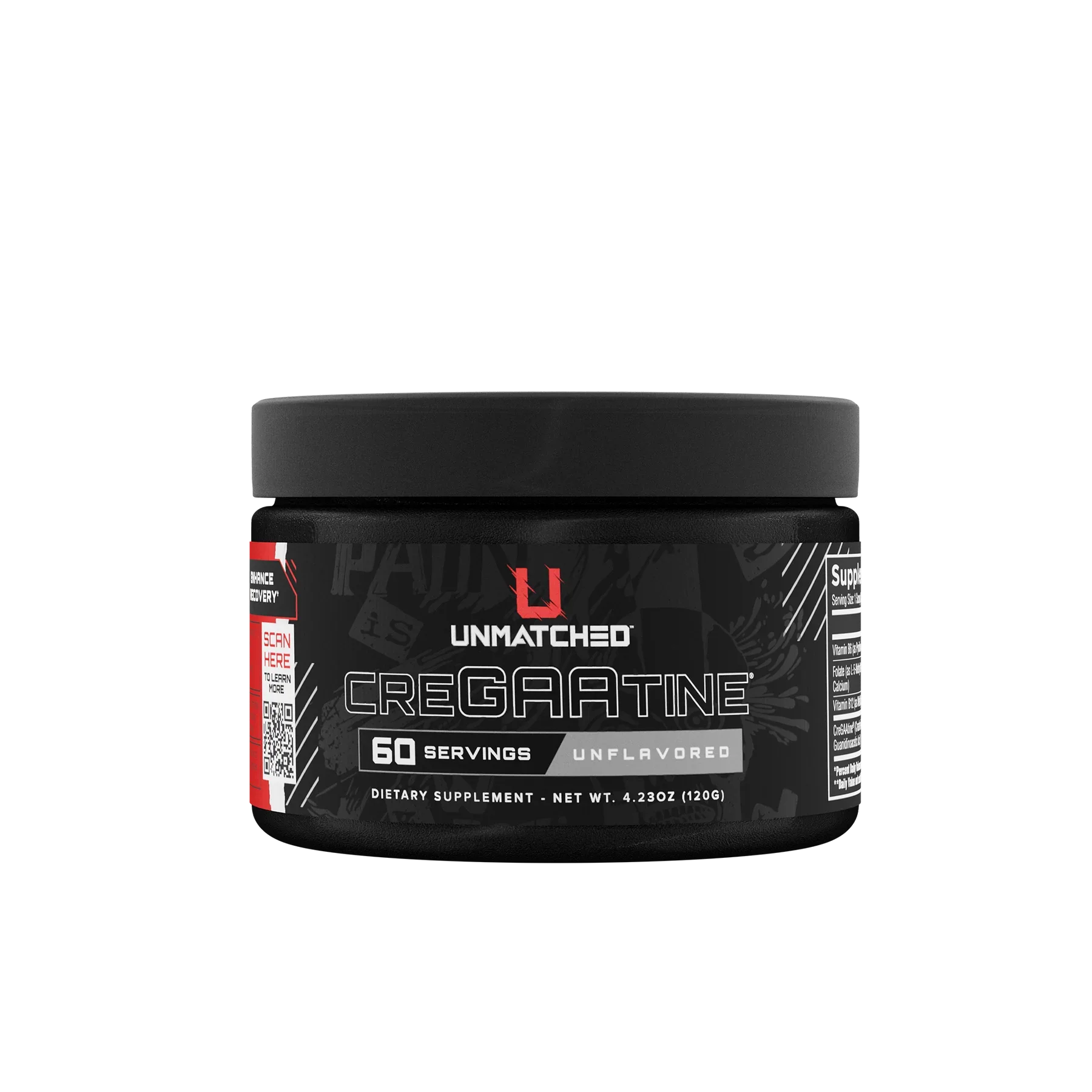
While I state above that creatine monohydrate is the tried and true form, I currently use a different version. It does have creatine monohydrate in it, but also contains GAA, Guanidinoacetic Acid. This is the direct precursor to creatine, and crosses the blood-brain barrier easier for enhance cognitive function.
Unmatched CREGAATINE — Linked Here!
CreGAAtine® is a unique combination of creatine monohydrate and its precursor, GAA. This blend has been shown to boost creatine levels in the muscle while also efficiently crossing the blood brain barrier for enhanced cognitive function. For best results, consumption of CreGAAtine® both pre-workout and post workout is recommended.
Final Takeaways
Creatine isn’t a requirement.
But if you’re already:
Training consistently
Eating enough protein
Following a structured program
Creatine can be a simple and effective tool to support performance and recovery. But remember — supplements don’t replace discipline, they SUPPORT the work you are already doing. Consistency is KEY!!
Coming Next in the Series — Part 4 — Other Supplements
We’ll cover some of the most commonly marketed supplements and whether they’re actually worth your money, including:
BCAAs
Fat burners
Multivitamins
Electrolytes
Other trending supplements
Because at the end of the day, most supplements are unnecessary — but they can be helpful when used correctly.
Feel free to leave a comment below with any comments, or if there is a specific brand in which you use and what you like about it!
— Vincent Bizzell
Bizzell Fitness
Supplement Series Part 2: Pre-workout
Let’s talk pre-workout.
If you’ve ever walked into a supplement store, you’ve seen it — neon tubs, aggressive names, promises of “insane pumps” and “limitless energy.” It’s marketed like it’s the missing piece to your results.
Here’s the honest truth. Pre-workout isn’t some form of magic powder. It’s not required, and if your sleep and nutrition are a mess, it won’t save your workouts.
At Bizzell Fitness, the approach is simple:
Food first. Supplements second.
Pre-workout is a tool — not a shortcut.
If you understand what it does (and what it doesn’t), it can absolutely help. If you rely on it to function, that’s when it becomes a problem.
Let’s break it down.
What Pre-Workout Actually Does
Most pre-workouts are designed to improve:
Energy
Focus
Endurance
Strength output
Blood flow aka “The Pump”
But here’s something most people don’t realize, The majority of that “kick” you feel? That’s caffeine. The rest of the ingredients either support endurance over time or improve blood flow — but they’re often underdosed in flashy products.
So instead of getting caught up in marketing, let’s look at what actually matters.
The Ingredients That Make a Difference
Caffeine – The Energy Driver
Effective range: 150–300mg. Caffeine improves alertness, reaction time, and performance. That’s why your workouts feel more intense after taking it.
But more is not better.
When you start getting into 350–400mg per scoop, you’re likely looking at:
Jitters
Anxiety
Elevated heart rate
Afternoon crashes
Poor sleep
And once your sleep drops, your progress drops.
A moderate dose will do more for you long-term than a stim-heavy formula.
Beta-Alanine – The one that gives you the tingles
Effective dose: 3.2–6.4g daily. This is what makes your skin feel itchy or tingly. That sensation does NOT mean it’s instantly working.
Beta-alanine works through daily saturation and may help delay muscular fatigue during higher-rep training.
If the tingling is extreme, it’s usually just overdosed for effect.
Citrulline – The Pump Ingredient
Effective dosage:
6–8g L-Citrulline
or8g Citrulline Malate
Citrulline helps increase nitric oxide production, which improves blood flow. That’s where the “pump” comes from.
Underdosed formulas often include it just so they can put it on the label — but without enough to actually make a difference.
Creatine (Not Always Included)
Creatine doesn’t need to be in your pre-workout to work. It functions through daily use, not timing. If it’s included, it should be properly dosed (3–5g). Otherwise, you’re better off supplementing it separately.
L-Theanine
This is sometimes paired with caffeine to create smoother, more focused energy and reduce jitters. If you’re sensitive to stimulants, this combo can be helpful.
The Real Benefits of Pre-Workout
When used correctly, pre-workout can:
Help You Train Harder; especially on early mornings or after long workdays.
Improve Focus; sometimes it’s less about energy and more about being focused.
Support Endurance; Certain ingredients may help you squeeze out a few more reps.
Create a Routine; This is underrated. Drinking pre-workout can become your mental trigger that it’s time to train, that consistency matters.
Who Should Consider Using It?
Pre-workout might help if you:
Train before work.
Have low energy in a calorie deficit.
Struggle with intensity.
Need help staying focused.
You probably don’t need it if:
You already drink multiple energy drinks daily.
Your sleep is inconsistent.
You rely on it just to feel normal.
If you can’t train without it, your tolerance is likely high — and it might be time for a reset.
What to Look For
When choosing a pre-workout, keep it simple:
Transparent labels (no proprietary blends)
Moderate caffeine (150–300mg)
Properly dosed citrulline (6g+)
Evidence-based ingredients
Minimal artificial fillers
If you can’t see exact dosages, skip it. It more than likely is underdosed on the important ingredients.
What to Avoid
Proprietary blends
“Extreme” stimulant formulas
400mg+ caffeine per scoop
Grey-area stimulants (DMAA/DMHA type products)
Using it every single day without breaks
Your nervous system isn’t meant to live in overdrive.
The Bigger Picture
Before you buy a pre-workout, ask yourself:
Am I sleeping 7–9 hours?
Am I eating enough carbs to fuel training?
Am I hydrated?
Because no scoop is going to fix poor recovery.
Supplements enhance effort.
They don’t replace discipline.
My Current Pre-workout
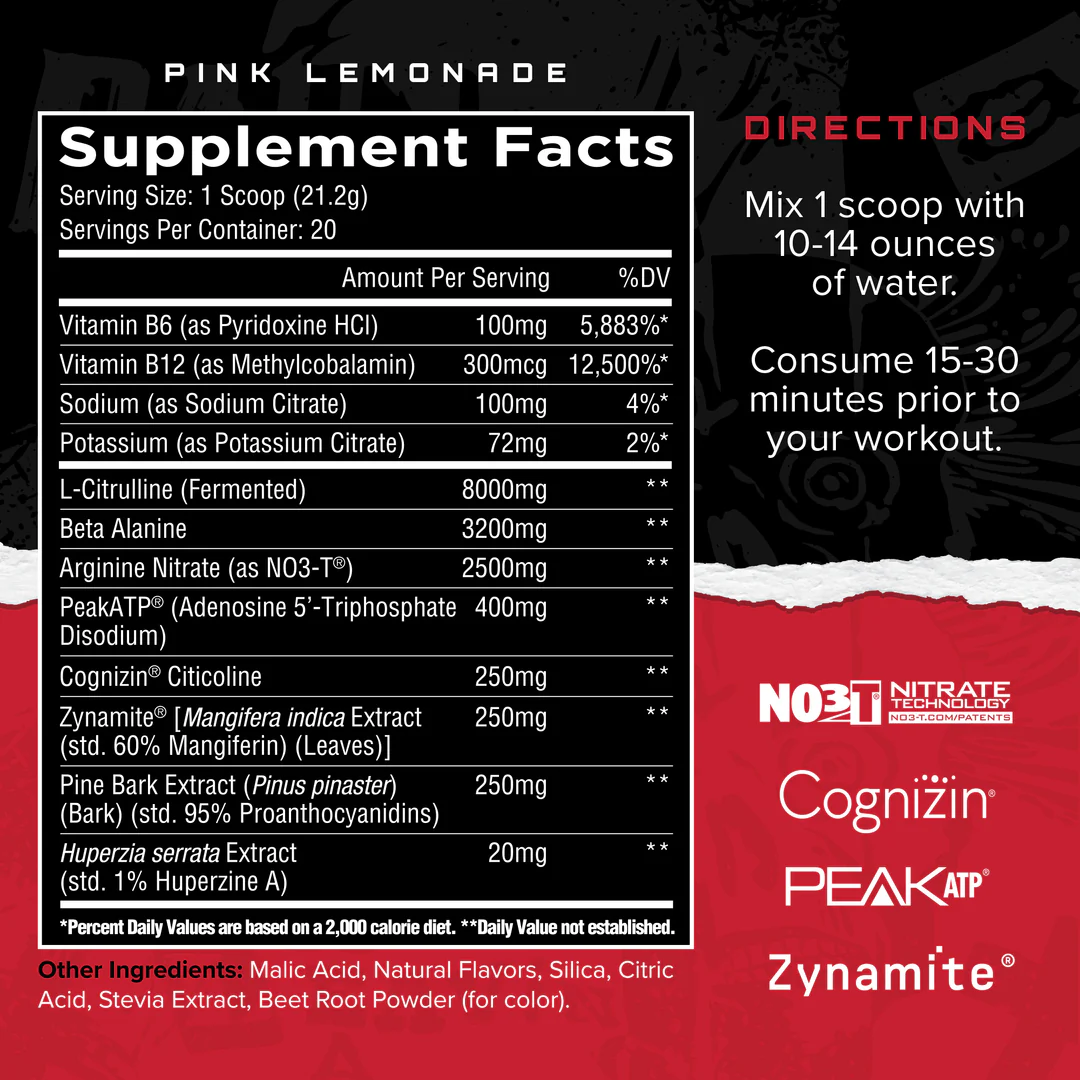
My current pre-workout is actually a bit different. I usually tend to workout later at night, so I avoid caffeine later in the day by using this caffeine free pre-workout.
Unmatched Dissident — Linked Here!
This is a non-stim pre-workout with effective doses of the top ingredients, which are patented, and contains natural sweeteners.
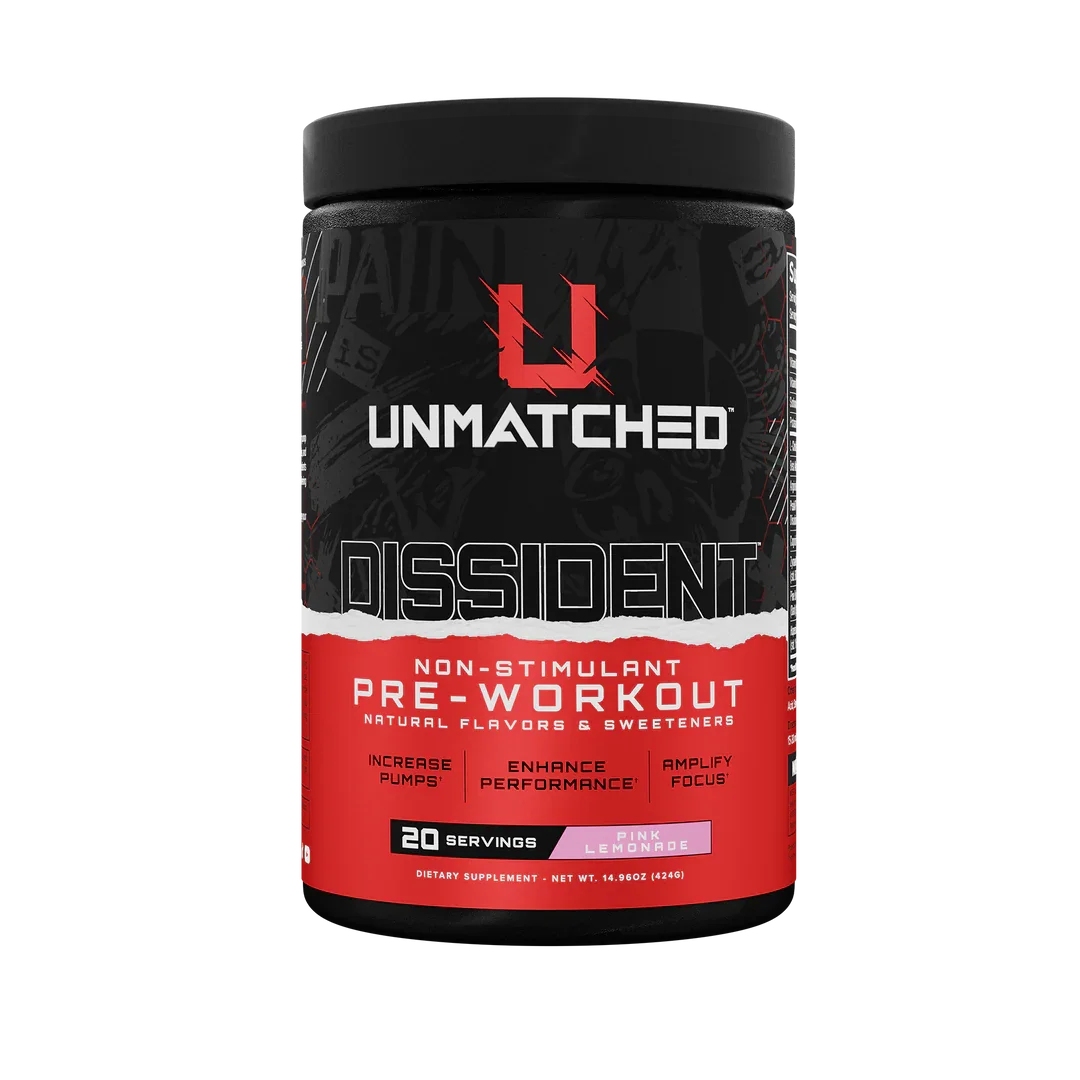
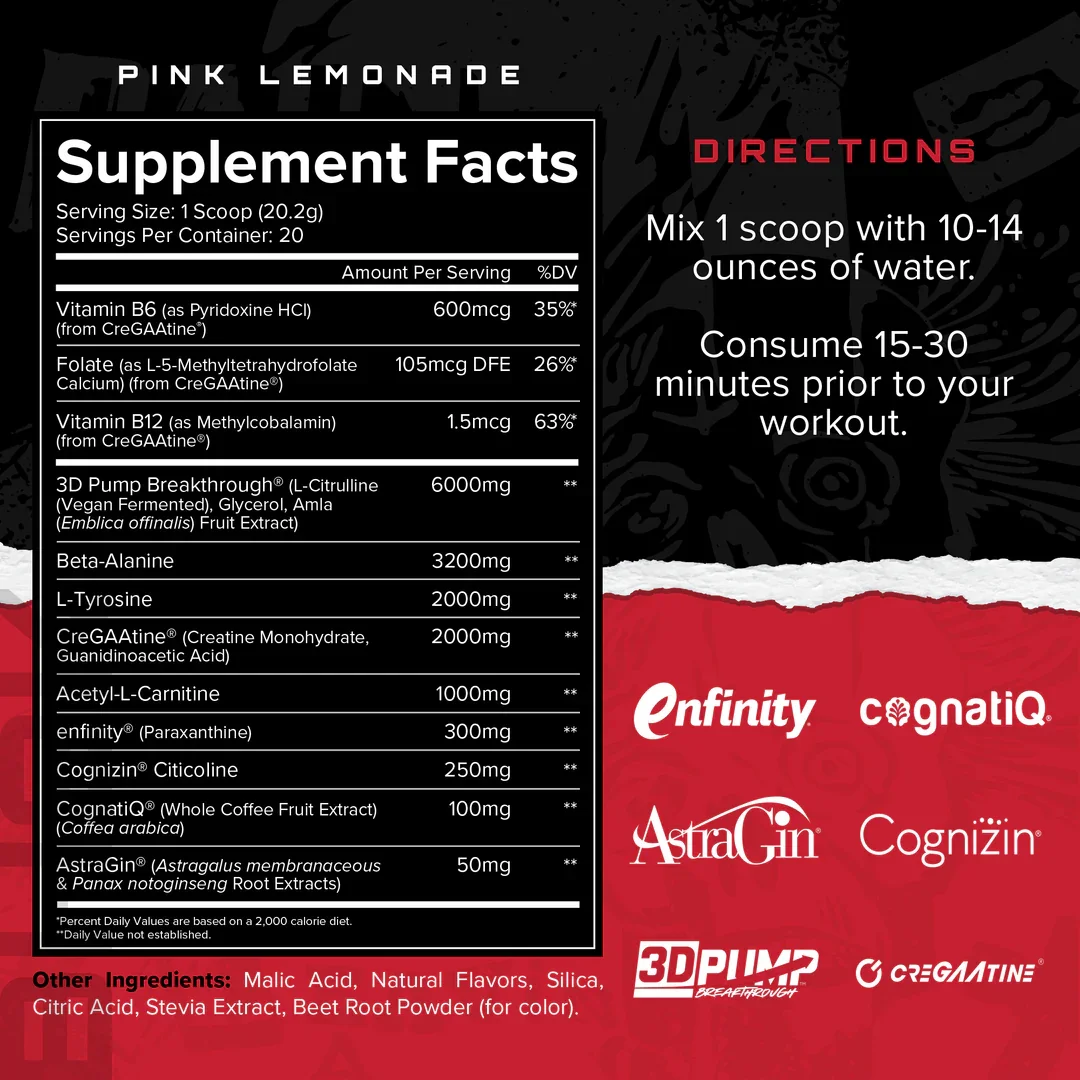
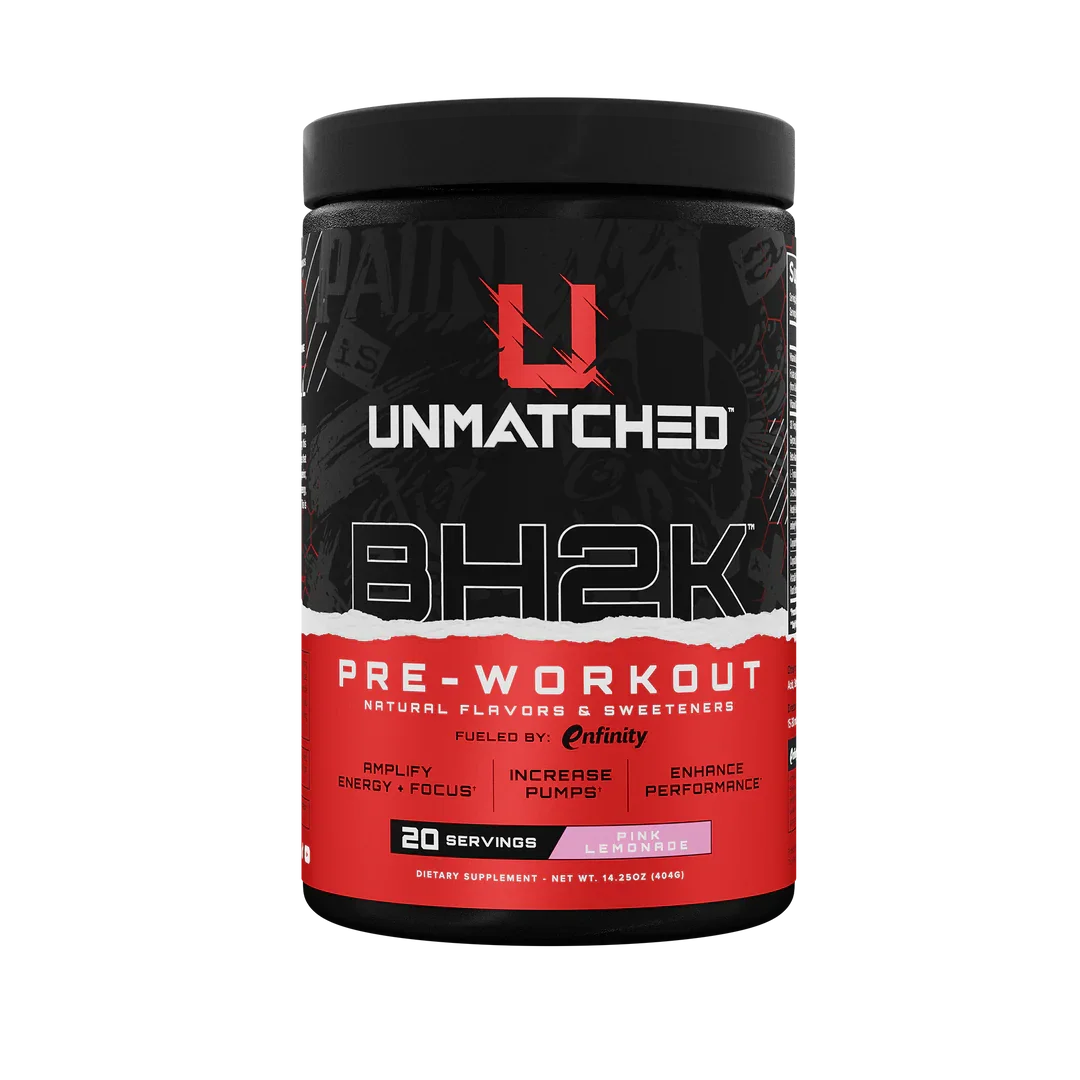
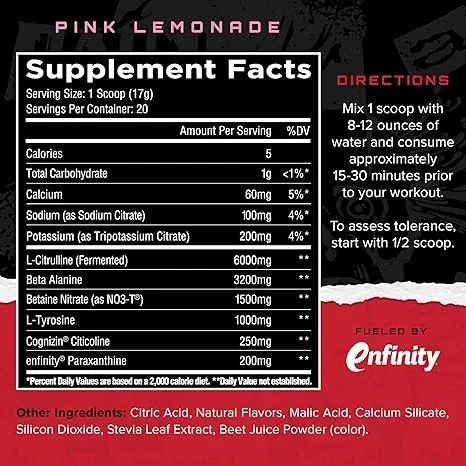
I also have used Unmatched BH2K — Linked here!
BH2K uses something called Paraxanthine instead of caffeine. Paraxanthine is the primary, faster-acting metabolite of caffeine that offers similar mental alertness and physical performance benefits but with a "cleaner" profile. It generally causes fewer jitters, lower anxiety, and has a shorter half-life, resulting in fewer sleep disruptions and no energy crash. I have used this paired with Dissident in morning or earlier sessions, for a better experience, and it feels wonderful.
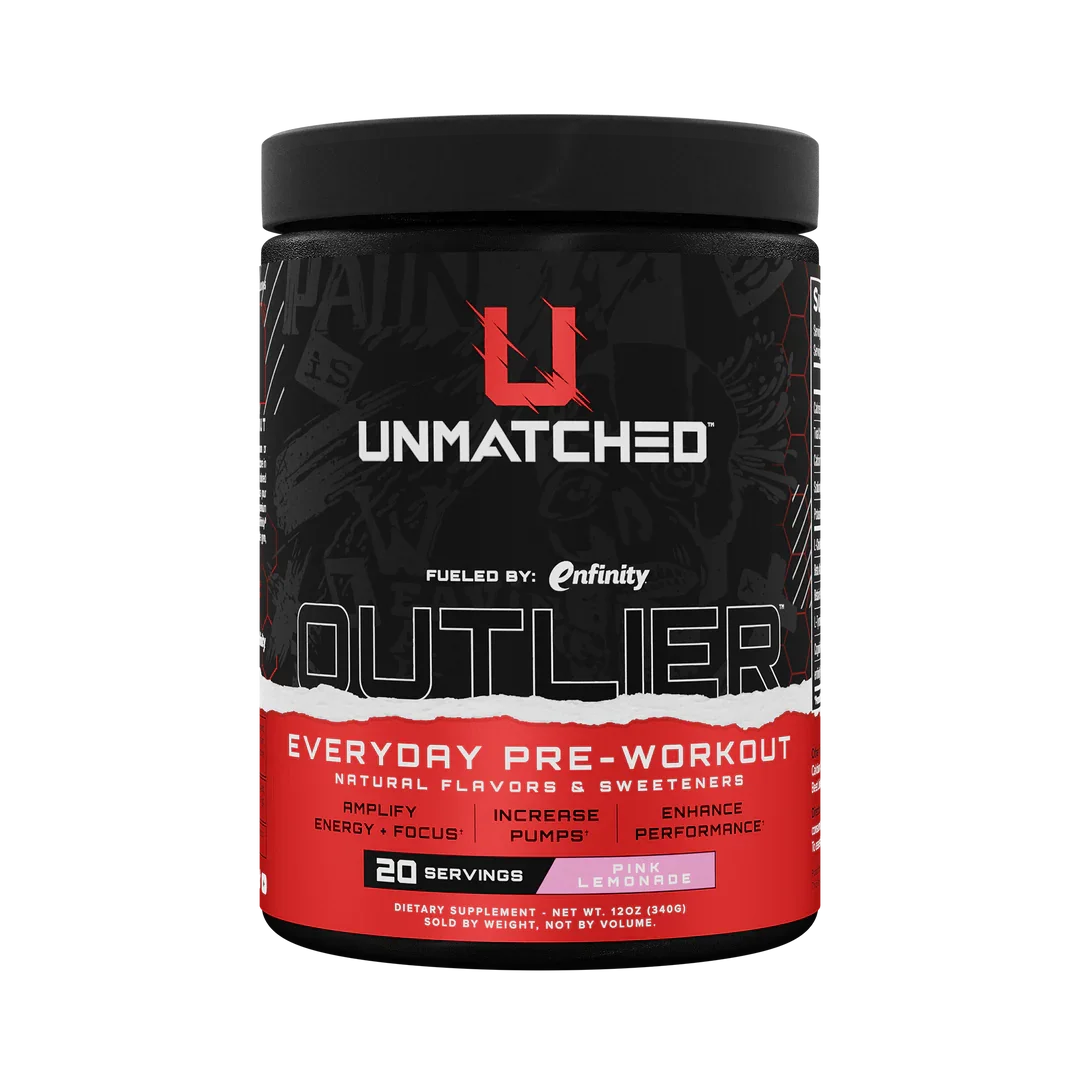
The last one I will recommend, for someone looking for a pre-workout that has a stim but doesn’t want anything crazy, is Unmatched Outlier — Linked Here!
Think of this as an in between from using Dissident or BH2K individually or combined. I personally haven’t tried this one, as it came out after I had fully committed to stim-free pre-workouts, but the profile is a good example of everything mentioned earlier.
Final Takeaways
Pre-workout can absolutely be useful.
But it should enhance a solid foundation — not cover up weak habits.
Use it strategically:
Big lift days
Early sessions
During cutting phases
When you truly need the boost
Cycle off occasionally to reset tolerance.
You don’t need the most intense formula on the shelf.
You need consistency.
Feel free to leave a comment below with any comments, or if there is a specific brand in which you use and what you like about it!
In Part 3, we’re breaking down creatine — one of the most researched and misunderstood supplements in fitness.
— Vincent Bizzell
Bizzell Fitness
Supplements Series Part 1: Protein
Protein is usually the first supplement people think about—and it’s also one of the most misunderstood. Walk into any supplement store and you’ll see shelves stacked with tubs promising muscle, fat loss, faster recovery, and “next-level results.” It’s easy to think protein powder is some kind of magic ingredient.
Here’s the truth: it’s not magic—and it’s not required to make progress.
The approach is simple: food first, supplements second. Protein powder is a convenience tool, not a requirement. Used correctly, it can make consistency easier. Used incorrectly, it’s just an expensive shake.
Let’s break down what protein actually does, who benefits from utilizing protein powders, and how to choose a quality option without falling for the marketing hype.
What Protein Actually Does in the Body
Protein isn’t just for bodybuilders. It’s one of the three main macronutrients (along with carbs and fats), and it plays a huge role in your results.
Protein helps with:
• Muscle repair and growth – Training creates small amounts of muscle damage. Protein provides the amino acids your body uses to repair and rebuild that muscle stronger.
• Recovery – Getting enough protein helps you recover between workouts so you can train more consistently and perform better.
• Maintaining lean mass – When you’re dieting or losing weight, adequate protein helps preserve muscle so more of the weight you lose comes from fat.
• Feeling full (satiety) – Protein is more filling than carbs or fats, which can make it easier to manage calories and stick to your plan.
In simple terms: protein supports strength, recovery, body composition, and consistency. It’s essential for results—but how you get it is flexible.
Do You Need Protein Powder?
Short answer: No.
Longer answer: Sometimes it helps.
You can meet your protein needs entirely from whole foods like:
• Chicken, turkey, beef, fish.
• Eggs and egg whites.
• Greek yogurt and cottage cheese.
• Tofu and legumes.
If you’re consistently eating enough of these, you don’t need protein powder at all.
Where protein powder does help is when life gets in the way:
• Busy schedules.
• Missed meals.
• Low appetite.
• Inconsistent protein intake.
• Dieting while trying to keep protein high.
That’s where shakes come in. They’re quick, portable, easy to track, and convenient. Protein powder doesn’t do anything special that food can’t—it just makes hitting your protein target easier.
Who May Benefit From Using Protein Supplements?
Protein supplements can be especially useful if you:
• Have a busy or unpredictable schedule.
• Struggle to eat enough protein from Whole Foods.
• Are dieting and want a low-calorie, high-protein option.
• Train regularly and want an easy post-workout option.
• Travel often or need something quick and portable.
If you’re already hitting your protein goals comfortably with food, great—you may not need it. If you’re not, a protein shake can be a simple, effective tool.
What to Look for in a Quality Protein Powder
Not all protein powders are created equal. The supplement market is crowded, and a lot of products rely more on marketing than quality.
Here’s what actually matters:
1. Enough protein per serving
Aim for 20–30 grams of protein per serving. If a product is mostly sugar or fillers, it’s missing the point.
2. A simple ingredient list
Fewer ingredients is usually better. Look for:
• A clear protein source (whey isolate, whey protein concentrate, casein, or a quality plant blend).
• Minimal added sugar.
• No unnecessary fillers.
3. The right type of protein for you
• Whey Isolate: Fast-digesting, great post-workout or anytime.
• Whey Protein: Slower-digesting, great anytime.
• Casein: Slowest-digesting, helps keep you full longer.
• Plant-based blends: Great if you avoid dairy—just make sure it provides a complete amino acid profile.
4. Transparency and testing
Choose brands that are clear about what’s inside and how it’s tested. The label should match what’s actually in the tub.
Common Marketing Traps to Avoid
The supplement industry is over saturated and built on “hype”. Be cautious of:
• Mass gainers loaded with sugar and unnecessary calories.
• Proprietary blends that hide exact ingredient amounts.
• Overpriced hype brands that sell marketing more than quality.
• The “more is better” mindset—extra shakes won’t fix poor nutrition or inconsistent training.
Remember: supplements are meant to support a good plan, not replace one.
My Approach
Food first, supplements second…Always.
Protein powder is not required to lose fat, build muscle, get stronger, or to get healthier. But when used correctly, it can make consistency easier, save time, help you hit your daily protein targets, as well as support recovery and body composition.
Used incorrectly, it’s just an expensive habit.
Your real results will always come from consistent training, solid nutrition, enough TOTAL protein, good sleep and recovery, and sticking to any plan long enough to see progress!
My Current Top Choices
My current protein consists of two different brands, both being Whey Isolates.
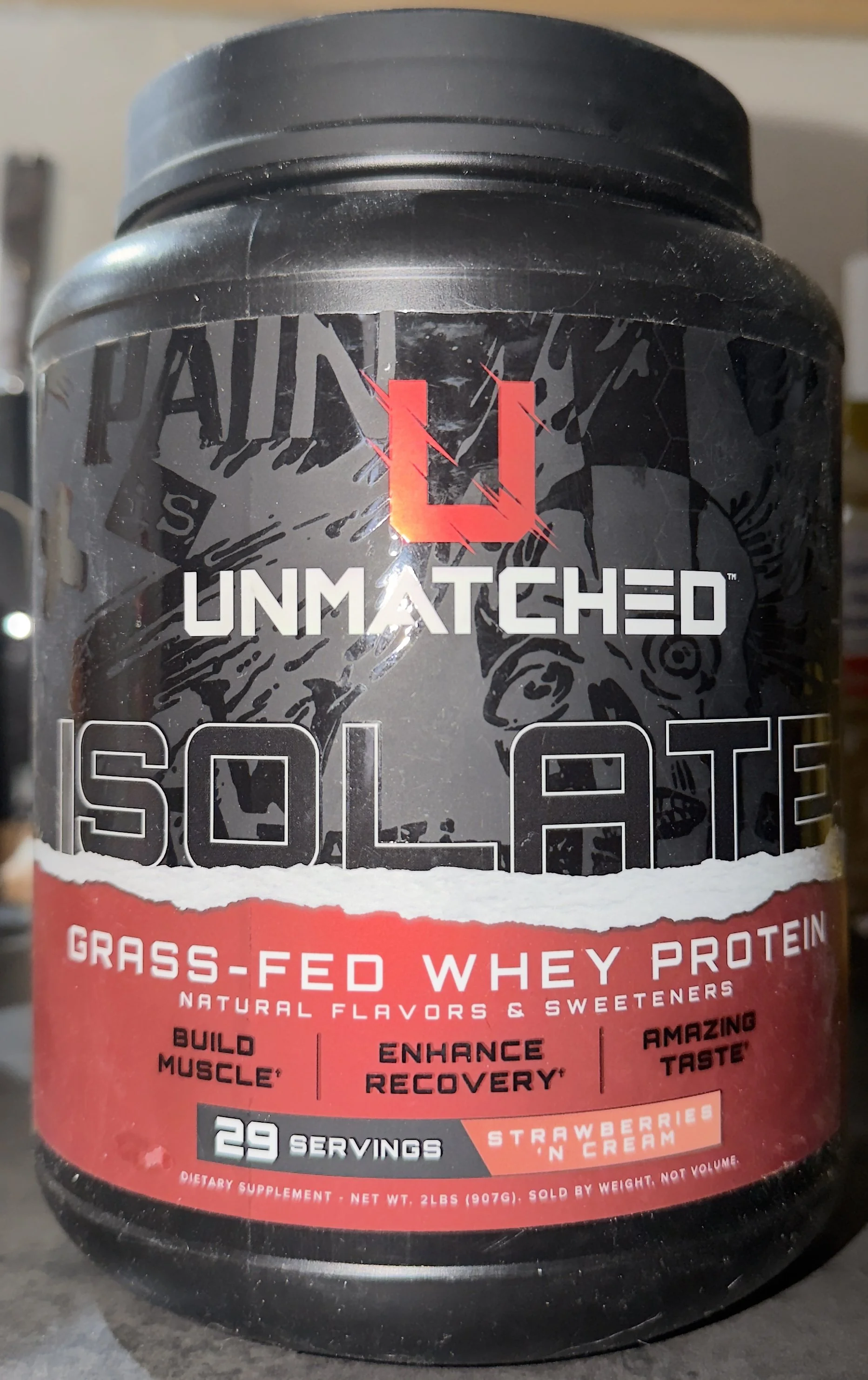
First is my favorite post workout protein: Unmatched Whey Isolate — Linked Here!
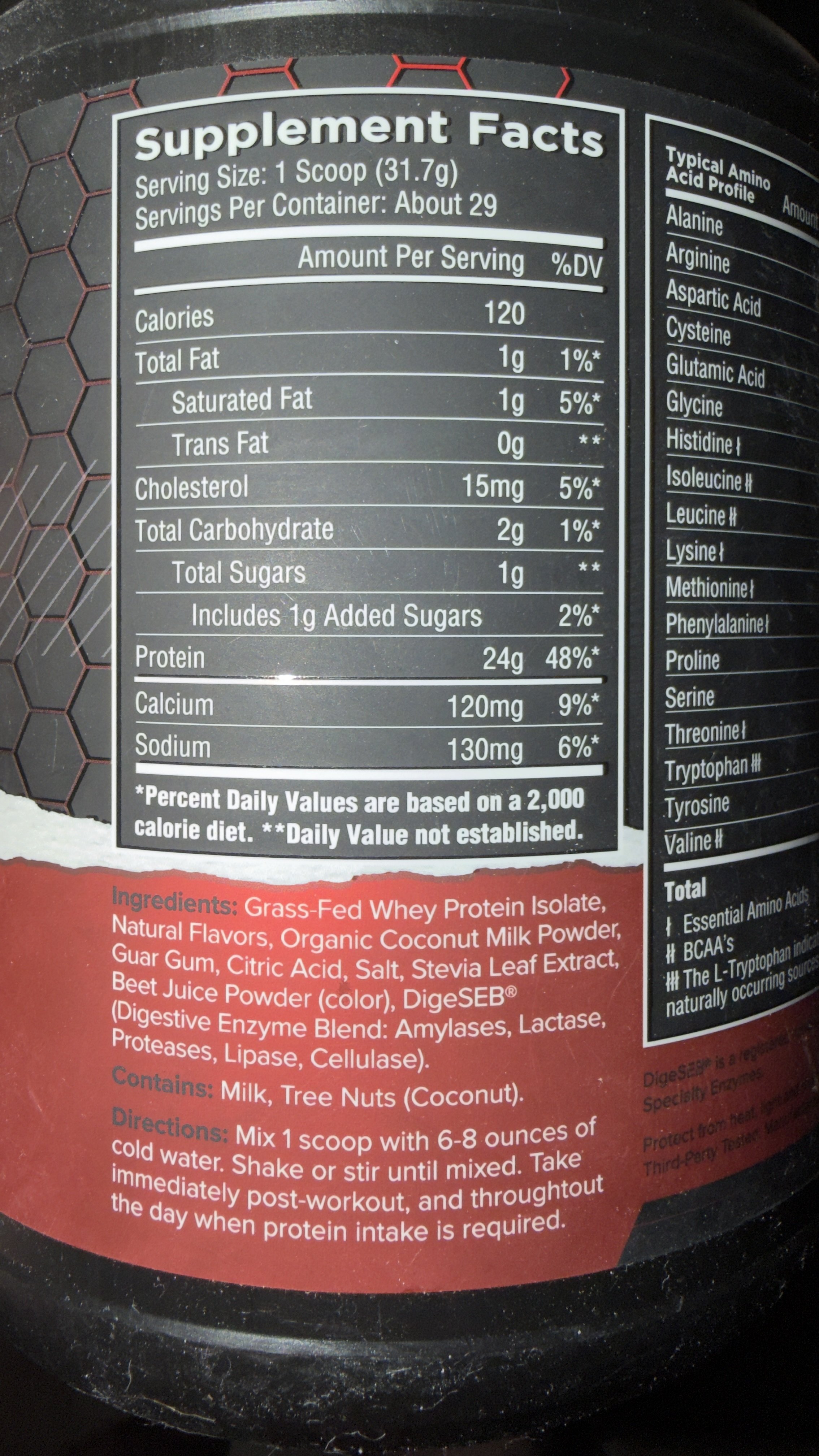
Grass-fed whey isolate, naturally sweetened and flavored without any fillers, antibiotics, or any artificial ingredients, this one packs a solid 24g protein, 1g fat, and 2g carbs per scoop for only 120 calories. Personally, I take two scoops post workout. The Strawberries and Cream flavor is fabulous as a post workout treat.
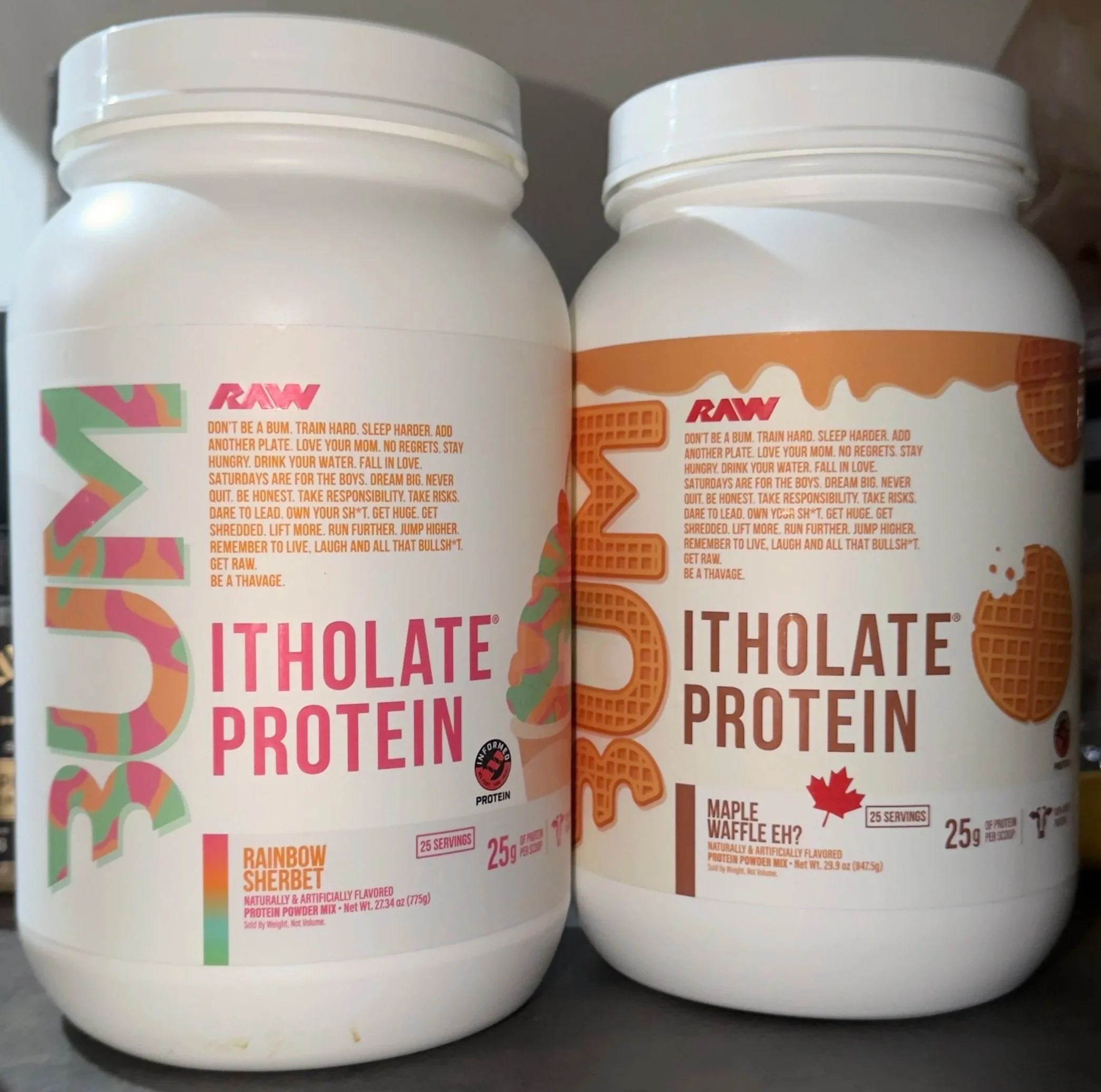
The second isolate I enjoy anytime is Raw-BUM ITHOLATE PROTEIN — Linked Here for a better price, and Here for their website with more flavors!
This one seems like it would fall into the “hype marketing” category due to it being co-owned by Chris Bumstead, but it has a solid ingredient profile and tastes amazing. With 25g protein, 3.5g fats, and 4g carbs rounding out at 140 calories per scoop, this has been a staple in traveling to be consistent on the road for work, or just as a snack in between meals. If you are not for artificial sweeteners, this one does use sucralose. However, I love that it is 3rd party tested, uses grass-fed whey isolate, and I just can’t get over the flavors. My top two have been the Rainbow Sherbet and Maple Waffle Eh?
Final Takeaway
Protein is essential.
Protein powder is optional.
Consistency is everything.
If you struggle to hit your protein intake, a supplement can be a smart tool. If you’re doing great with whole foods, you may not need it—and that’s perfectly fine. Be mindful of where it is sourced, what is in the product and on the nutrition label, and make sure you are choosing the specific type suited best for your needs and goals!
Feel free to leave a comment below with any comments, or if there is a specific brand in which you use daily and what you like about it!
Thanks for taking the time to read! Next up: Pre-Workout—what actually works, what’s hype, and what’s a waste of money.