
Supplements Series Part 3: Creatine
Creatine might be one of the most researched and proven supplements available, yet it’s also one of the most misunderstood.
Some people think it’s a steroid. Some think it damages your kidneys. Others think it’s only for bodybuilders, or only for males.
None of these are true!
Creatine is a naturally occurring compound found in your body and in foods like red meat and fish. Supplementing with creatine simply increases the amount your muscles store, which can improve performance, strength, and recovery.
Creatine isn’t required to make progress, but it’s one of the few supplements that consistently shows real performance benefits when used correctly.
Let’s break it down.
What Creatine Actually Does
Creatine plays a role in how your body produces ATP, which is your body’s primary energy source for short bursts of activity. This matters for things like weightlifting, sprinting, high-intensity workouts, and explosive movements.
When your muscles have more stored creatine available, they can produce energy faster, which can help you do the following:
Lift slightly heavier weights
Perform more reps
Maintain strength during workouts
Recover better between sets
Over time, this can contribute to better training performance and muscle growth. It’s not magic — but it supports better output in the gym, which can lead to better results.
Benefits of Creatine
Creatine is one of the few supplements with strong scientific backing for multiple benefits.
Research consistently shows it may help with:
Increased strength and power output
Improved workout performance
Increased muscle mass over time
Better muscle recovery
Improved hydration within muscle cells
Some newer research even suggests potential cognitive benefits, since creatine also plays a role in brain energy metabolism.
Who May Benefit From Creatine
Creatine can benefit a wide range of people, not just athletes.
You may benefit if you:
Strength train regularly
Perform high-intensity workouts
Want to improve strength and performance
Want support for muscle growth
Struggle with workout fatigue
Creatine can also be helpful for people who don’t consume much red meat or fish, since those foods are the primary natural dietary sources.
Cognitive and Other Benefits
Not only does it help with someone in the gym, but research has shown there are many benefits on cognitive function in adults. This may include:
Memory improvement
Attention time
Informational processing speed
Mood support
Not only does it help with the above, but studies also show in women, creatine may support muscle and bone health, especially post-menopause when estrogen levels start to decline.
Common Myths About Creatine
Creatine has been around for decades, and unfortunately so have the myths.
Let’s clear up a few of the big ones.
“Creatine is a steroid.”
Incorrect. Creatine is a natural compound your body already produces.
“Creatine damages your kidneys.”
Research consistently shows creatine is safe for healthy individuals when taken at recommended doses.
“Creatine causes bloating.”
Creatine pulls water into muscle cells, not under the skin. Some people experience slight water retention early on, but it’s typically minimal.
“You have to cycle creatine.”
There’s no strong evidence that cycling creatine is necessary.
What to Look for in a Quality Creatine
Unlike many supplements, creatine is actually very simple.
Look for:
Creatine Monohydrate (the most researched form)
No proprietary blends
Minimal added ingredients
Third-party tested brands when possible
That’s it.
How to Take Creatine
The most common recommendation is:
3–5 grams per day. I personally use 5 grams a day, with no loading or cycling.
You can take it before workouts, after workouts, or really any time of the day. What really matters is consistency rather than timing.
Some people choose to do a “loading phase” (around 20g/day for 5–7 days), but this isn’t necessary. Taking 3–5g daily will naturally saturate your muscles over time.
My Current Creatine
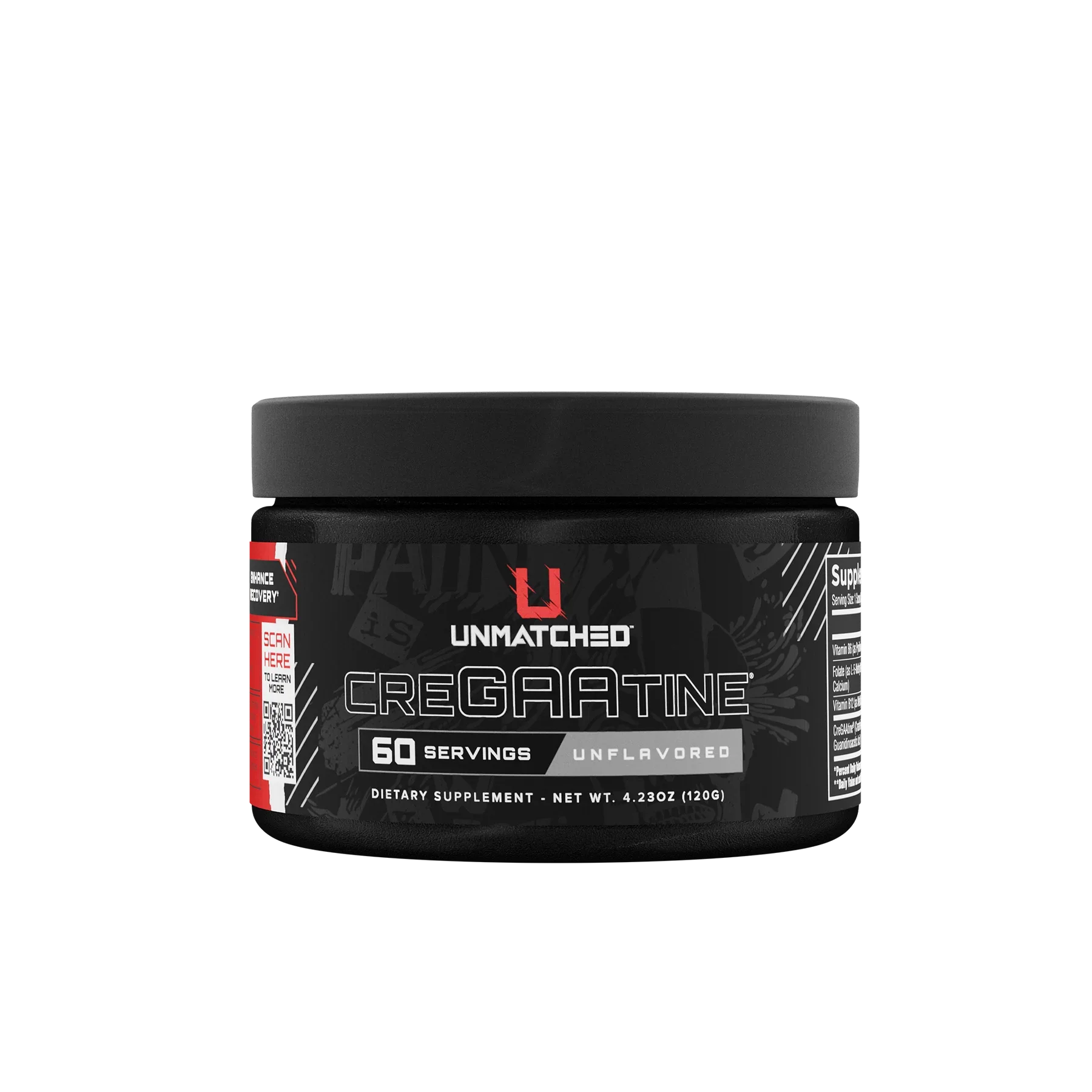
While I state above that creatine monohydrate is the tried and true form, I currently use a different version. It does have creatine monohydrate in it, but also contains GAA, Guanidinoacetic Acid. This is the direct precursor to creatine, and crosses the blood-brain barrier easier for enhance cognitive function.
Unmatched CREGAATINE — Linked Here!
CreGAAtine® is a unique combination of creatine monohydrate and its precursor, GAA. This blend has been shown to boost creatine levels in the muscle while also efficiently crossing the blood brain barrier for enhanced cognitive function. For best results, consumption of CreGAAtine® both pre-workout and post workout is recommended.
Final Takeaways
Creatine isn’t a requirement.
But if you’re already:
Training consistently
Eating enough protein
Following a structured program
Creatine can be a simple and effective tool to support performance and recovery. But remember — supplements don’t replace discipline, they SUPPORT the work you are already doing. Consistency is KEY!!
Coming Next in the Series — Part 4 — Other Supplements
We’ll cover some of the most commonly marketed supplements and whether they’re actually worth your money, including:
BCAAs
Fat burners
Multivitamins
Electrolytes
Other trending supplements
Because at the end of the day, most supplements are unnecessary — but they can be helpful when used correctly.
Feel free to leave a comment below with any comments, or if there is a specific brand in which you use and what you like about it!