
Supplement Series Part 2: Pre-workout
Let’s talk pre-workout.
If you’ve ever walked into a supplement store, you’ve seen it — neon tubs, aggressive names, promises of “insane pumps” and “limitless energy.” It’s marketed like it’s the missing piece to your results.
Here’s the honest truth. Pre-workout isn’t some form of magic powder. It’s not required, and if your sleep and nutrition are a mess, it won’t save your workouts.
At Bizzell Fitness, the approach is simple:
Food first. Supplements second.
Pre-workout is a tool — not a shortcut.
If you understand what it does (and what it doesn’t), it can absolutely help. If you rely on it to function, that’s when it becomes a problem.
Let’s break it down.
What Pre-Workout Actually Does
Most pre-workouts are designed to improve:
Energy
Focus
Endurance
Strength output
Blood flow aka “The Pump”
But here’s something most people don’t realize, The majority of that “kick” you feel? That’s caffeine. The rest of the ingredients either support endurance over time or improve blood flow — but they’re often underdosed in flashy products.
So instead of getting caught up in marketing, let’s look at what actually matters.
The Ingredients That Make a Difference
Caffeine – The Energy Driver
Effective range: 150–300mg. Caffeine improves alertness, reaction time, and performance. That’s why your workouts feel more intense after taking it.
But more is not better.
When you start getting into 350–400mg per scoop, you’re likely looking at:
Jitters
Anxiety
Elevated heart rate
Afternoon crashes
Poor sleep
And once your sleep drops, your progress drops.
A moderate dose will do more for you long-term than a stim-heavy formula.
Beta-Alanine – The one that gives you the tingles
Effective dose: 3.2–6.4g daily. This is what makes your skin feel itchy or tingly. That sensation does NOT mean it’s instantly working.
Beta-alanine works through daily saturation and may help delay muscular fatigue during higher-rep training.
If the tingling is extreme, it’s usually just overdosed for effect.
Citrulline – The Pump Ingredient
Effective dosage:
6–8g L-Citrulline
or8g Citrulline Malate
Citrulline helps increase nitric oxide production, which improves blood flow. That’s where the “pump” comes from.
Underdosed formulas often include it just so they can put it on the label — but without enough to actually make a difference.
Creatine (Not Always Included)
Creatine doesn’t need to be in your pre-workout to work. It functions through daily use, not timing. If it’s included, it should be properly dosed (3–5g). Otherwise, you’re better off supplementing it separately.
L-Theanine
This is sometimes paired with caffeine to create smoother, more focused energy and reduce jitters. If you’re sensitive to stimulants, this combo can be helpful.
The Real Benefits of Pre-Workout
When used correctly, pre-workout can:
Help You Train Harder; especially on early mornings or after long workdays.
Improve Focus; sometimes it’s less about energy and more about being focused.
Support Endurance; Certain ingredients may help you squeeze out a few more reps.
Create a Routine; This is underrated. Drinking pre-workout can become your mental trigger that it’s time to train, that consistency matters.
Who Should Consider Using It?
Pre-workout might help if you:
Train before work.
Have low energy in a calorie deficit.
Struggle with intensity.
Need help staying focused.
You probably don’t need it if:
You already drink multiple energy drinks daily.
Your sleep is inconsistent.
You rely on it just to feel normal.
If you can’t train without it, your tolerance is likely high — and it might be time for a reset.
What to Look For
When choosing a pre-workout, keep it simple:
Transparent labels (no proprietary blends)
Moderate caffeine (150–300mg)
Properly dosed citrulline (6g+)
Evidence-based ingredients
Minimal artificial fillers
If you can’t see exact dosages, skip it. It more than likely is underdosed on the important ingredients.
What to Avoid
Proprietary blends
“Extreme” stimulant formulas
400mg+ caffeine per scoop
Grey-area stimulants (DMAA/DMHA type products)
Using it every single day without breaks
Your nervous system isn’t meant to live in overdrive.
The Bigger Picture
Before you buy a pre-workout, ask yourself:
Am I sleeping 7–9 hours?
Am I eating enough carbs to fuel training?
Am I hydrated?
Because no scoop is going to fix poor recovery.
Supplements enhance effort.
They don’t replace discipline.
My Current Pre-workout
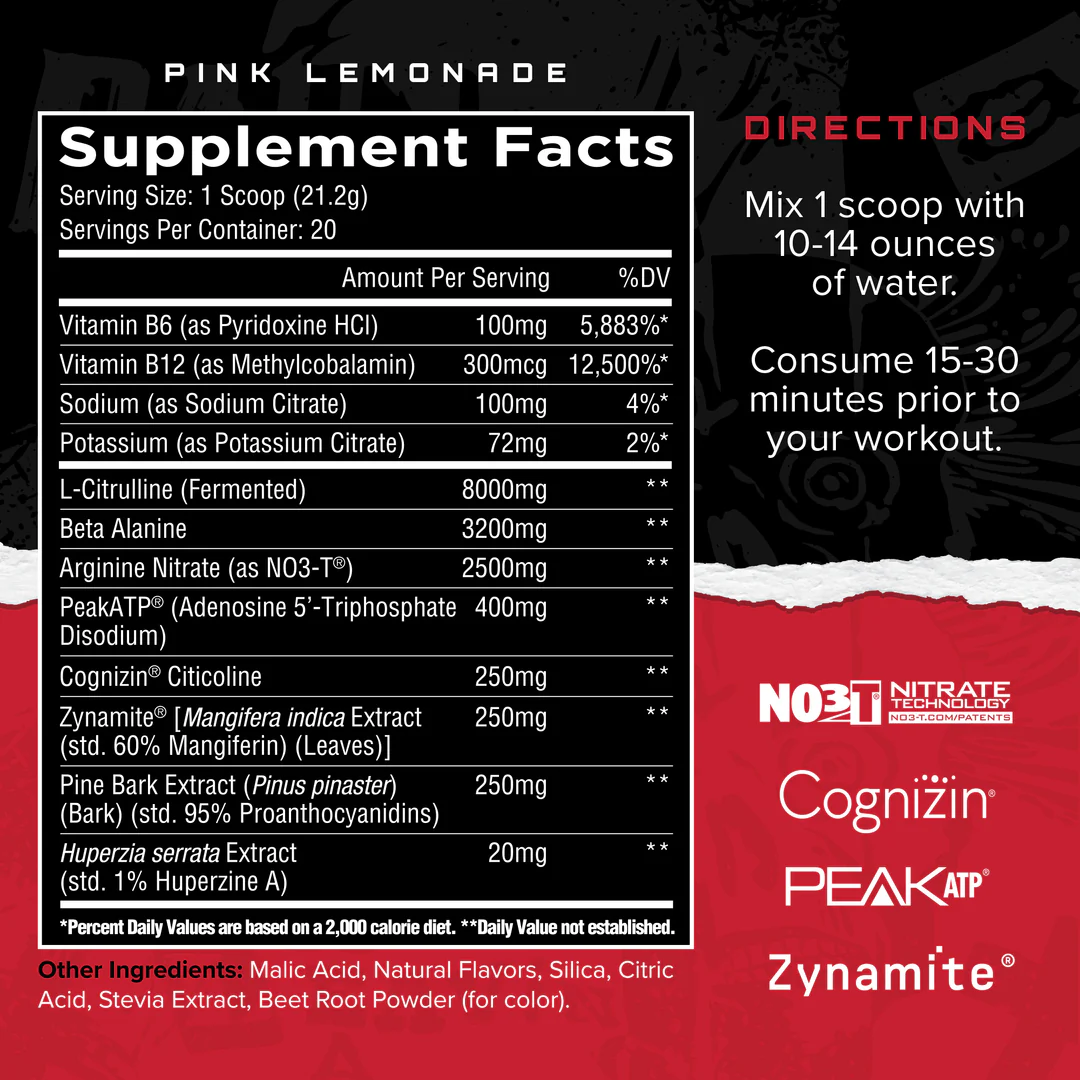
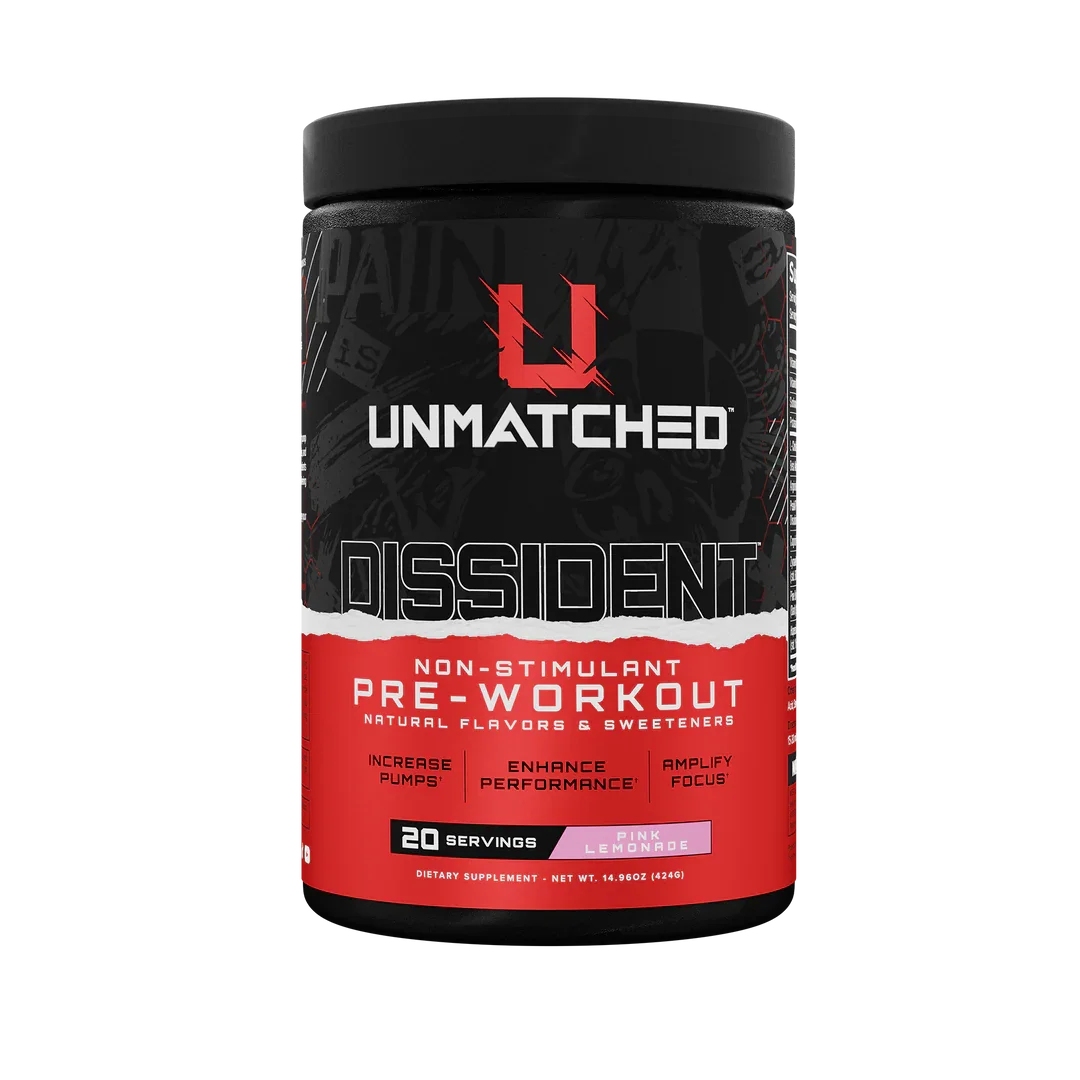
My current pre-workout is actually a bit different. I usually tend to workout later at night, so I avoid caffeine later in the day by using this caffeine free pre-workout.
Unmatched Dissident — Linked Here!
This is a non-stim pre-workout with effective doses of the top ingredients, which are patented, and contains natural sweeteners.
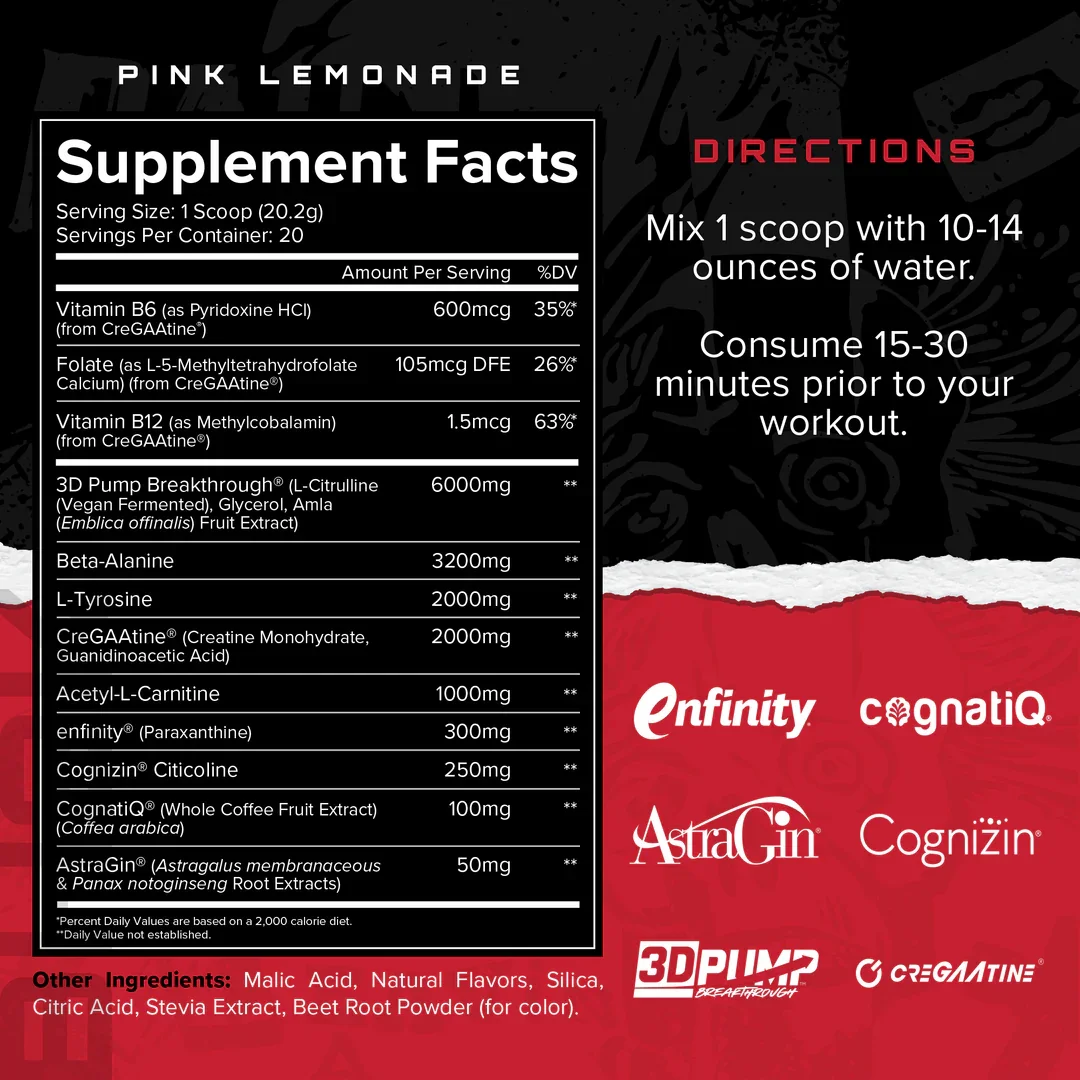
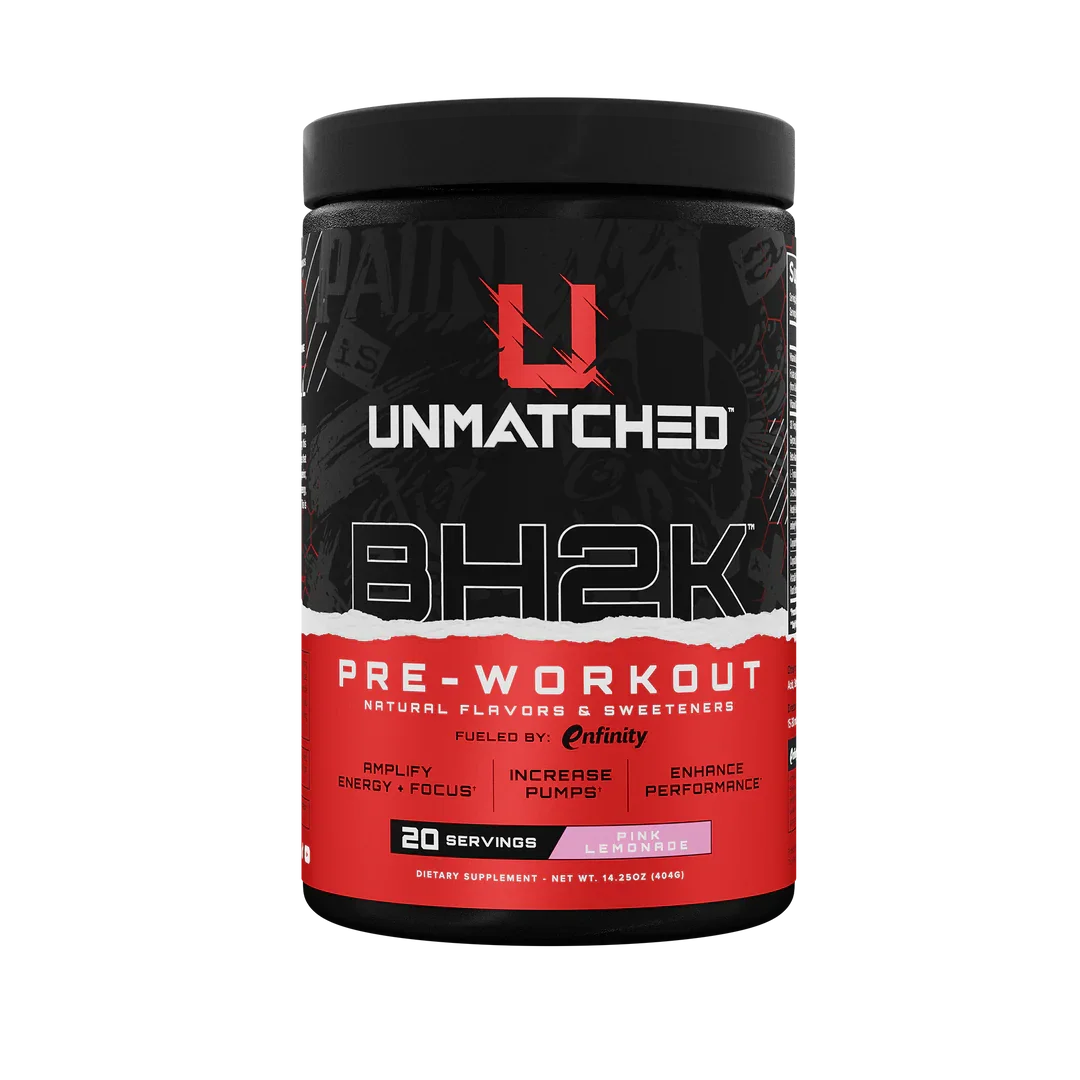
I also have used Unmatched BH2K — Linked here!
BH2K uses something called Paraxanthine instead of caffeine. Paraxanthine is the primary, faster-acting metabolite of caffeine that offers similar mental alertness and physical performance benefits but with a "cleaner" profile. It generally causes fewer jitters, lower anxiety, and has a shorter half-life, resulting in fewer sleep disruptions and no energy crash. I have used this paired with Dissident in morning or earlier sessions, for a better experience, and it feels wonderful.
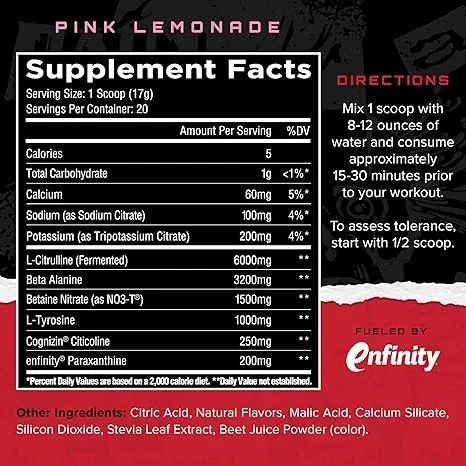
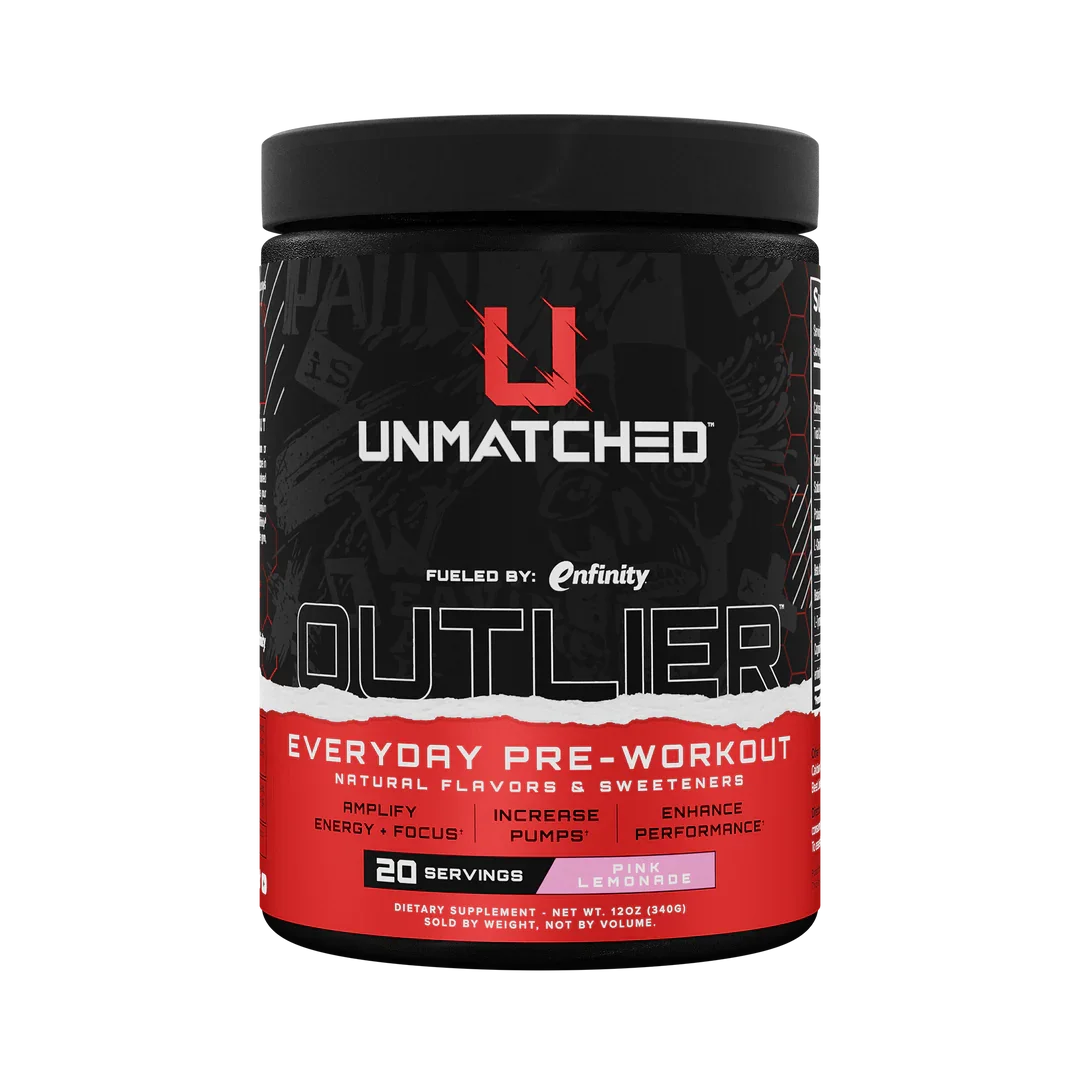
The last one I will recommend, for someone looking for a pre-workout that has a stim but doesn’t want anything crazy, is Unmatched Outlier — Linked Here!
Think of this as an in between from using Dissident or BH2K individually or combined. I personally haven’t tried this one, as it came out after I had fully committed to stim-free pre-workouts, but the profile is a good example of everything mentioned earlier.
Final Takeaways
Pre-workout can absolutely be useful.
But it should enhance a solid foundation — not cover up weak habits.
Use it strategically:
Big lift days
Early sessions
During cutting phases
When you truly need the boost
Cycle off occasionally to reset tolerance.
You don’t need the most intense formula on the shelf.
You need consistency.
Feel free to leave a comment below with any comments, or if there is a specific brand in which you use and what you like about it!
In Part 3, we’re breaking down creatine — one of the most researched and misunderstood supplements in fitness.