
Supplements Series — Part 1: Protein
Protein is usually the first supplement people think about—and it’s also one of the most misunderstood. Walk into any supplement store and you’ll see shelves stacked with tubs promising muscle, fat loss, faster recovery, and “next-level results.” It’s easy to think protein powder is some kind of magic ingredient.
Here’s the truth: it’s not magic—and it’s not required to make progress.
The approach is simple: food first, supplements second. Protein powder is a convenience tool, not a requirement. Used correctly, it can make consistency easier. Used incorrectly, it’s just an expensive shake.
Let’s break down what protein actually does, who benefits from utilizing protein powders, and how to choose a quality option without falling for the marketing hype.
What Protein Actually Does in the Body
Protein isn’t just for bodybuilders. It’s one of the three main macronutrients (along with carbs and fats), and it plays a huge role in your results.
Protein helps with:
• Muscle repair and growth – Training creates small amounts of muscle damage. Protein provides the amino acids your body uses to repair and rebuild that muscle stronger.
• Recovery – Getting enough protein helps you recover between workouts so you can train more consistently and perform better.
• Maintaining lean mass – When you’re dieting or losing weight, adequate protein helps preserve muscle so more of the weight you lose comes from fat.
• Feeling full (satiety) – Protein is more filling than carbs or fats, which can make it easier to manage calories and stick to your plan.
In simple terms: protein supports strength, recovery, body composition, and consistency. It’s essential for results—but how you get it is flexible.
Do You Need Protein Powder?
Short answer: No.
Longer answer: Sometimes it helps.
You can meet your protein needs entirely from whole foods like:
• Chicken, turkey, beef, fish.
• Eggs and egg whites.
• Greek yogurt and cottage cheese.
• Tofu and legumes.
If you’re consistently eating enough of these, you don’t need protein powder at all.
Where protein powder does help is when life gets in the way:
• Busy schedules.
• Missed meals.
• Low appetite.
• Inconsistent protein intake.
• Dieting while trying to keep protein high.
That’s where shakes come in. They’re quick, portable, easy to track, and convenient. Protein powder doesn’t do anything special that food can’t—it just makes hitting your protein target easier.
Who May Benefit From Using Protein Supplements?
Protein supplements can be especially useful if you:
• Have a busy or unpredictable schedule.
• Struggle to eat enough protein from Whole Foods.
• Are dieting and want a low-calorie, high-protein option.
• Train regularly and want an easy post-workout option.
• Travel often or need something quick and portable.
If you’re already hitting your protein goals comfortably with food, great—you may not need it. If you’re not, a protein shake can be a simple, effective tool.
What to Look for in a Quality Protein Powder
Not all protein powders are created equal. The supplement market is crowded, and a lot of products rely more on marketing than quality.
Here’s what actually matters:
1. Enough protein per serving
Aim for 20–30 grams of protein per serving. If a product is mostly sugar or fillers, it’s missing the point.
2. A simple ingredient list
Fewer ingredients is usually better. Look for:
• A clear protein source (whey isolate, whey protein concentrate, casein, or a quality plant blend).
• Minimal added sugar.
• No unnecessary fillers.
3. The right type of protein for you
• Whey Isolate: Fast-digesting, great post-workout or anytime.
• Whey Protein: Slower-digesting, great anytime.
• Casein: Slowest-digesting, helps keep you full longer.
• Plant-based blends: Great if you avoid dairy—just make sure it provides a complete amino acid profile.
4. Transparency and testing
Choose brands that are clear about what’s inside and how it’s tested. The label should match what’s actually in the tub.
Common Marketing Traps to Avoid
The supplement industry is over saturated and built on “hype”. Be cautious of:
• Mass gainers loaded with sugar and unnecessary calories.
• Proprietary blends that hide exact ingredient amounts.
• Overpriced hype brands that sell marketing more than quality.
• The “more is better” mindset—extra shakes won’t fix poor nutrition or inconsistent training.
Remember: supplements are meant to support a good plan, not replace one.
My Approach
Food first, supplements second…Always.
Protein powder is not required to lose fat, build muscle, get stronger, or to get healthier. But when used correctly, it can make consistency easier, save time, help you hit your daily protein targets, as well as support recovery and body composition.
Used incorrectly, it’s just an expensive habit.
Your real results will always come from consistent training, solid nutrition, enough TOTAL protein, good sleep and recovery, and sticking to any plan long enough to see progress!
My Current Top Choices
My current protein consists of two different brands, both being Whey Isolates.
First is my favorite post workout protein: Unmatched Whey Isolate — Linked Here!
Grass-fed whey isolate, naturally sweetened and flavored without any fillers, antibiotics, or any artificial ingredients, this one packs a solid 24g protein, 1g fat, and 2g carbs per scoop for only 120 calories. Personally, I take two scoops post workout. The Strawberries and Cream flavor is fabulous as a post workout treat.
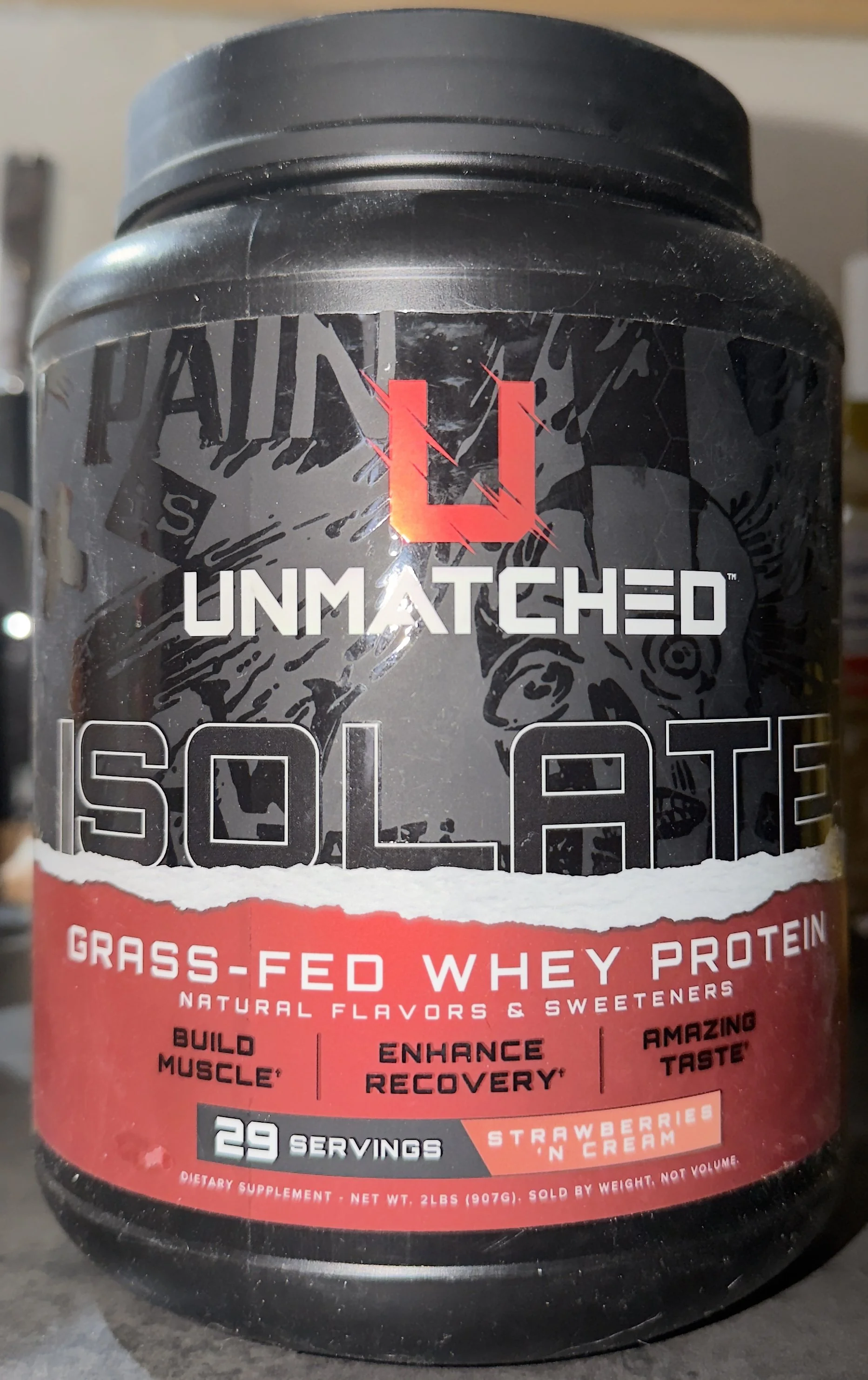
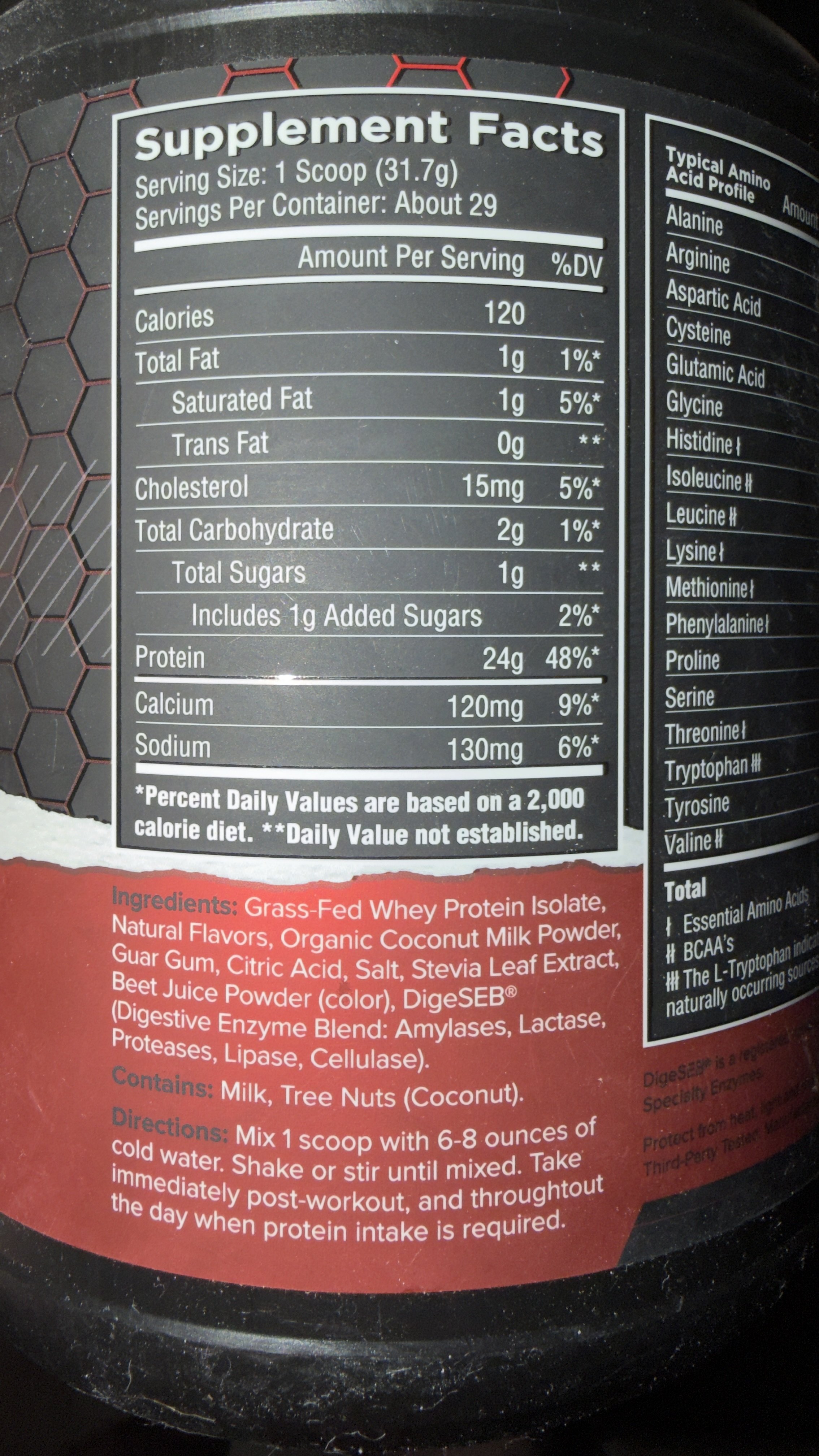
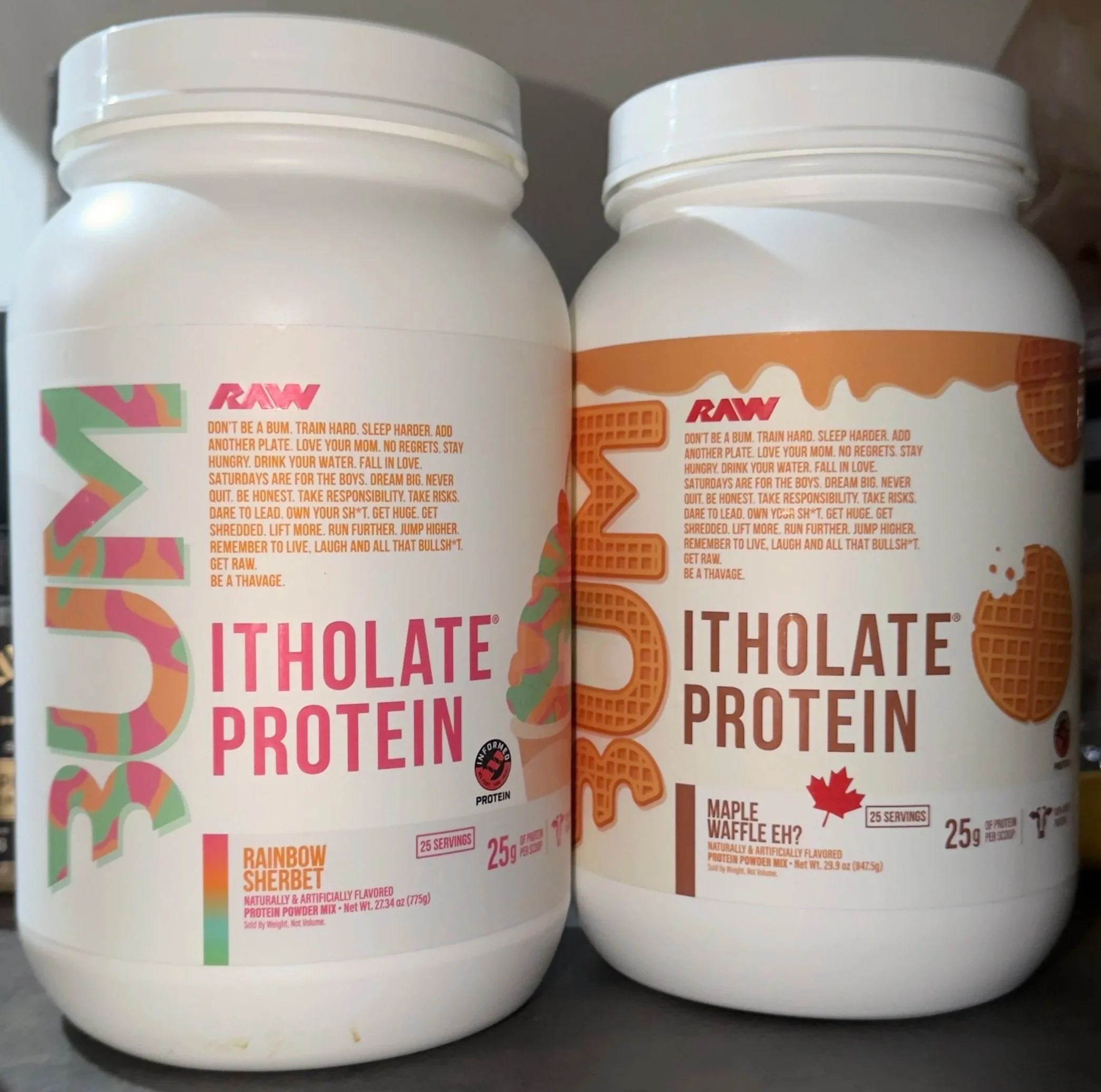
The second isolate I enjoy anytime is Raw-BUM ITHOLATE PROTEIN — Linked Here for a better price, and Here for their website with more flavors!
This one seems like it would fall into the “hype marketing” category due to it being co-owned by Chris Bumstead, but it has a solid ingredient profile and tastes amazing. With 25g protein, 3.5g fats, and 4g carbs rounding out at 140 calories per scoop, this has been a staple in traveling to be consistent on the road for work, or just as a snack in between meals. If you are not for artificial sweeteners, this one does use sucralose. However, I love that it is 3rd party tested, uses grass-fed whey isolate, and I just can’t get over the flavors. My top two have been the Rainbow Sherbet and Maple Waffle Eh?
Final Takeaway
Protein is essential.
Protein powder is optional.
Consistency is everything.
If you struggle to hit your protein intake, a supplement can be a smart tool. If you’re doing great with whole foods, you may not need it—and that’s perfectly fine. Be mindful of where it is sourced, what is in the product and on the nutrition label, and make sure you are choosing the specific type suited best for your needs and goals!
Feel free to leave a comment below with any comments, or if there is a specific brand in which you use daily and what you like about it!
Thanks for taking the time to read! Next up: Pre-Workout—what actually works, what’s hype, and what’s a waste of money.